
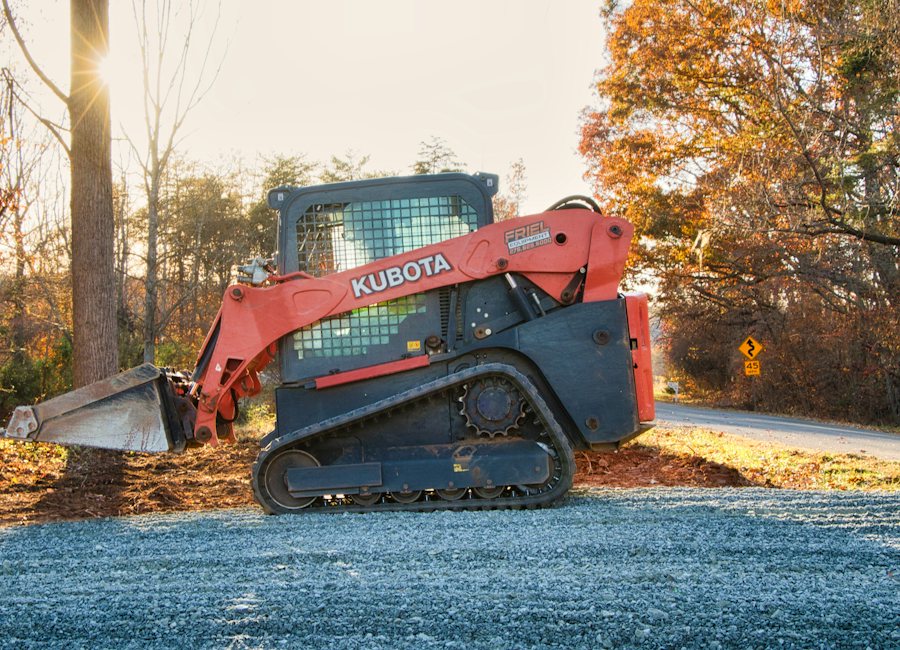
5 Ways Contractors Use Compact Track Loaders to Keep Jobs Moving
Posted 4/4/2026
A compact track loader is not a “nice to have” when you are staring down a deadline and the ground is soft. It is a keep-the-crew-working machine. The best part is not just what it can lift or push. It is how many different jobs it can cover when it is matched with the right attachments, and backed by a dealer who can keep it running.
Below are five proven compact track loader uses we see every week with contractors across Northeast and Eastern Ohio, plus a few straight-shooting tips on setup, attachments, and avoiding downtime.
Why compact track loaders earn their keep on Ohio jobsites
Tracks vs wheels, where the difference shows up
We are not here to bash wheeled skid steers. They have their place. A compact track loader for construction starts to shine when conditions are not perfect, which is most of the year around here.
Flotation in soft ground, tracks spread the weight so you stay working instead of digging ruts.
Traction on slopes, better bite when you are pushing, grading, or carrying material on uneven ground.
Smoother ride over rough sites, less bouncing can mean cleaner finish work and less fatigue.
The hidden cost of downtime, and why support matters
A breakdown is not just a repair bill. It is a crew standing around, a schedule that slips, and a customer who starts wondering if you are the right contractor for the next job. That is why contractors who think long-term pay attention to the whole package, machine, attachments, parts, service, and communication.
At Unkefer Sales, we are built around uptime. Local parts, a service shop that understands jobsite urgency, delivery and on-site help when it makes sense, plus in-house hydraulic hose building for those “we need it today” moments.
1) Fine grading and site prep that does not eat your schedule
One of the most common ways contractors use compact track loaders is finish work that still needs muscle. Think building pads, driveways, base prep, and final dressing around utilities.
Best practices for clean grade
Run the right bucket edge, a smooth edge helps with finish, a toothed edge helps with breakout in tougher material.
Keep your passes consistent, small corrections beat big rework, especially when you are chasing drainage.
Watch undercarriage packing, mud and stone buildup can steal efficiency and wear parts faster.
Attachments that make grade work faster
A plain bucket can grade, but attachments help you get it right the first time.
Grading blade or dozer blade, great for spreading and shaping base material.
Land plane or leveler, helps flatten and smooth without leaving waves.
Grapple bucket, handy for pulling out roots, brush, and junk before you dress the surface.
2) Material handling in tight spaces
If a jobsite has gates, foundations, existing landscaping, or parked trades everywhere, a compact track loader can still get in and get work done. This is a big reason a compact track loader for contractors ends up doing daily duty.
Truck loading and stockpile management
Load spoils and aggregates without bringing in a bigger loader that cannot fit.
Move pallets of block, pipe, or landscape material with less hand labor.
Keep the site clean, staging and cleanup saves time and reduces trip hazards.
Forks, buckets, and how to size them
Most “this machine feels weak” complaints are really a sizing and setup problem. Too much bucket, wrong material density, or trying to lift far out in front. We help contractors match bucket width, heaped capacity, and fork rating to the work they actually do, not the work they might do once a year.
If you are looking at a Kubota compact track loader like the SVL series, bring real numbers: typical material, typical lift height, and your trailer limits. Those three facts clear up a lot fast.
3) Trenching and utility work without bringing in a whole fleet
Utility work is where attachments can make a track loader pay for itself. A CTL does not replace an excavator, but it can cover plenty of trenching and site support tasks that keep the crew moving.
Where a trencher attachment shines
Irrigation and drainage runs where you want consistent depth and clean spoil placement.
Shallow utilities on properties where access is tight.
Long straight trenches where productivity beats digging in short bites.
Keeping spoil piles and access under control
Even if you trench with an excavator, the track loader is the best “support player” on site. It can manage spoils, bring bedding stone, set boxes, and keep access open. That is a big part of how contractors use compact track loaders to avoid tying up larger machines.
4) Demo, cleanup, and debris work that stays safe
Demo days have a way of turning into “we did not know that was in there” days. A CTL helps you control the mess and reduce manual handling, which is good for speed and safety.
Brush, stumps, concrete, and “mystery mess” days
Load-out and haul-off with a bucket or grapple, faster turnover keeps the site on schedule.
Concrete and broken asphalt moved to dumpsters or stockpiles without beating up a pickup bed.
Brush and storm cleanup where a crew needs to look sharp in front of a customer.
Attachments contractors ask for most
A few Kubota track loader attachment categories come up again and again because they solve real jobsite headaches.
Grapples, for demo debris, brush, logs, and odd-shaped material.
Hydraulic breakers, for concrete, footers, and hardscape removal.
Brush cutters and mulchers, for clearing and property maintenance work.
Attachment note: high-flow hydraulic requirements matter. We will help you confirm your machine’s hydraulic output matches the attachment you want, before money changes hands.
5) Snow and property maintenance that fills the calendar
Contractors who run year-round do not leave their CTL parked when the ground freezes. Snow and property maintenance can keep cash flow steady, and keep your best operators working.
Winter work that protects your equipment and your reputation
Snow pushing and stacking in lots where a pickup cannot stack high enough.
Backdragging near doors with the right blade setup to avoid tearing things up.
Cleanup after plows to make the site look finished, customers notice that.
A track loader setup for year-round revenue
A solid year-round mix often includes a general-purpose bucket, forks, and a snow blade or snow pusher. It is not glamorous. It is profitable.
How to choose the right compact track loader for contractors
There are plenty of uses for a compact track loader. The smart move is buying the one that matches your day-to-day work, and your support needs, not the one with the flashiest spec sheet.
The three questions we ask before recommending a machine
What ground do you live on, mud, clay, rock, pavement, slopes, or a mix.
What do you lift most, and how high, palletized material, spoils, stone, concrete, timber.
What attachments are non-negotiable, especially any high-flow tools like mulchers.
Kubota SVL track loader, why contractors like the feel and the uptime
We sell and support the Kubota SVL track loader line because it fits how local contractors work. It is built for real jobsite conditions, and Kubota’s track loader lineup pairs well with a wide range of attachments. The bigger factor, though, is support. A strong machine with weak parts and service backing still costs you money.
Our goal is simple: help you pick a setup you can run hard, then keep it running with local parts, local service, and straight answers.
Attachment checklist: build a CTL package that actually fits your jobs
A simple starter package for most crews
General-purpose bucket sized to your material and machine capacity.
Pallet forks for deliveries, pipe, block, and jobsite staging.
Grapple if you touch brush, demo debris, or storm cleanup.
Grading attachment if you do pads, driveways, or finish work weekly.
A note on couplers, hydraulics, and compatibility
Quick attach standards help, but not everything is plug-and-play. Hydraulic couplers, flow requirements, hose routing, and electrical controls can trip people up. We would rather spend ten minutes verifying compatibility than watch you lose a day on site.
Keep it working: maintenance habits that prevent jobsite surprises
Daily walk-around, five minutes that saves hours
Check track condition and tension, loose or over-tight tracks wear fast and rob power.
Clear debris from the undercarriage, packed mud and stone cause wear and heat.
Look for hydraulic leaks early, a seep today becomes downtime tomorrow.
If you are not sure what “normal” looks like, we will show you. That education-first approach saves contractors from expensive learning curves.
Parts and service realities, what to ask before you buy
Before you sign on a machine, ask any dealer these questions. The answers tell you how the relationship will go when you are in a pinch.
What is your typical service turnaround during peak season, and how do you communicate delays.
Do you stock common wear items like filters, cutting edges, and undercarriage parts.
Can you build hydraulic hoses in-house or do you special order and wait.
Talk with a neighbor who does this every day
If you are comparing machines, or trying to figure out which attachments will actually earn their keep, we will talk it through without the sales fog. Bring the job details, ground conditions, and your timeline. We will help you land on a compact track loader setup that gets the job done, and keeps it done.
Unkefer Sales, LLC is a family-run Kubota dealership in Minerva, Ohio, with local parts and service support for contractors across Northeast and Eastern Ohio. Same faces, straight answers, and we listen first.
Ready to take the next step?
Contact our knowledgeable sales team to get more information on Kubota equipment.
More from Business
How the Right Equipment Saves Local Ohio Businesses Time
When the phone’s ringing and the weather finally cooperates, time becomes the real currency.
Read More BusinessLabor Is Tight. Equipment Has to Work Harder.
Running a business is never simple, but the last few years have made one thing very clear: time, labor, and efficiency matter more than...
Read More BusinessHow Can Landscaping Companies Control Rising Operating Costs?
If you’re running crews across Stark, Carroll, or Columbiana County, you’re living in the squeeze.
Read More