
How Municipalities Use Compact Tractors for Year-Round Maintenance (Parks, Roadsides, Snow, and Facilities)
Posted 4/4/2026
Public works does not get to pick the weather, the calendar, or the surprise phone calls. One week it is mowing parks for a Saturday festival. Next week it is brush on the roadside, then a snow event that starts at 2 a.m. That is why compact tractors for municipal maintenance have become a staple in a lot of fleets. They are small enough to maneuver in tight spots, strong enough to run real implements, and flexible enough to stay busy all year.
The catch is simple. If the tractor is down, the work still shows up. Uptime is the whole game, and it starts with buying the right size, matching the right attachments, and having a service and parts plan you can count on.
Why compact tractors have become a go-to for public works
The real cost of downtime in a town fleet
A breakdown does not just slow a crew down. It changes the whole day.
Schedules slip, and that pushes other work back behind it.
Overtime climbs, especially in winter operations.
Public complaints rise, and that lands on the department fast.
Safety risk increases, because crews rush to catch up.
Price matters, but municipalities live with the total cost of ownership, which includes service response, parts access, and how quickly the machine gets back in the field.
Where compact tractors fit in, and where they do not
Compact tractors do best where you need versatility, quick changeovers, and a machine that can work on turf, gravel, and pavement. They are not the answer for every job.
Great fit: parks, trails, ballfields, roadside mowing, light grading, snow removal, and material handling.
Not the best fit: heavy excavation, large-scale road building, or constant high-volume loader work better suited to a wheel loader or larger construction equipment.
A smart fleet usually uses compact tractors to take pressure off the big iron, so the big iron can stay on the jobs that truly require it.
Year-round municipal maintenance jobs compact tractors handle well
Park and grounds maintenance
This is where tractors for municipal maintenance earn their reputation. Parks work changes by the week, so a tractor that can mow, move material, and clean up is a real advantage.
Finish mowing around buildings, fences, and playground areas with a rear finish mower.
Field mowing with a rotary cutter for rougher areas and taller growth.
Topdressing and renovations with a box blade, landscape rake, or overseeding tools.
Trail maintenance with a rear blade for touch-ups and drainage work.
Practical tip: if your parks have hills, pond banks, or wet spots, weight and tires matter as much as horsepower.
Roadside mowing and brush control
Roadside work needs stability and a setup that will not beat the operator up. The goal is clean lines, controlled regrowth, and fewer call-backs.
Shoulder and ditch line mowing with flail mowers for a cleaner cut and better debris control.
Brush control in overgrown areas with heavier-duty cutters built for the abuse.
Right-of-way cleanup after storms using a grapple or pallet forks for debris handling.
If you are in a township with narrow roads, the compact tractor footprint can be a big safety benefit. Less time hanging out into the lane, more time getting the job done.
Snow removal and winter operations
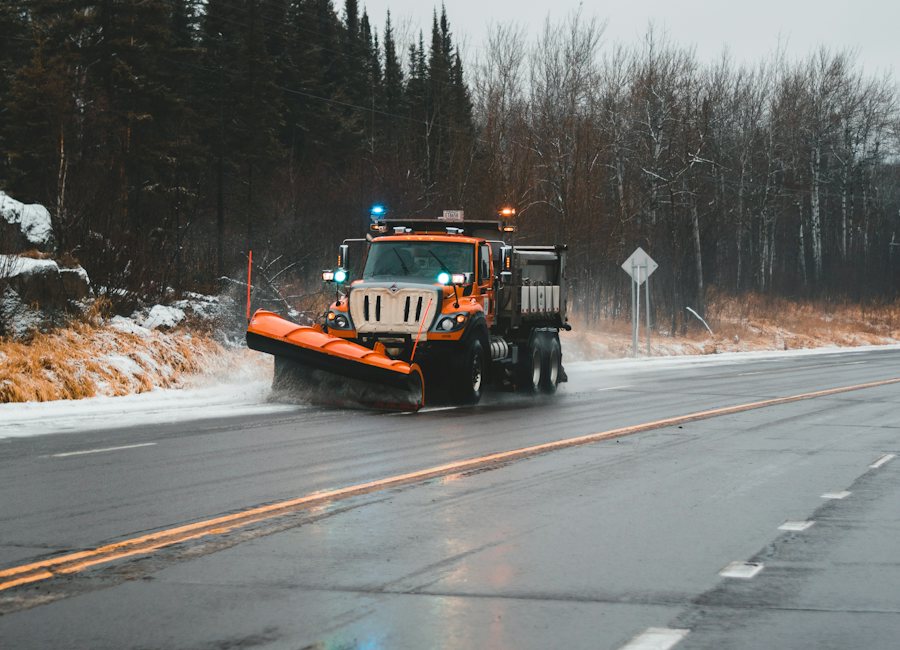
Winter is where public works tractor equipment has to be ready on demand. A compact tractor can support plow trucks, handle sidewalks and lots, and keep facilities accessible.
Snow blowing drives, lots, and edges where stacking is an issue.
Pushing snow with a front blade in faster, lighter events.
Loader work to relocate snow piles, load salt, and move barriers.
Ohio reality: freeze-thaw turns lots into a mess. Traction, lighting, and heated cab options can make the difference between a long night and a manageable one.
Material handling and facility work
Municipal property maintenance is not glamorous, but it is constant. A compact tractor with a loader is often the most used tool in the yard.
Pallet handling for salt bags, parts, and bulk supplies.
Loading and moving aggregates for patching, drainage, and facility projects.
Event setup moving barricades, benches, and maintenance supplies.
Cleanup after storms and community events.
Loader tasks are where correct ballast and operator training pay off every single day.
Attachments that make a municipal tractor earn its keep
A compact tractor is only as useful as the implements behind it, or in front of it. Most municipalities get the best value by choosing a core set of attachments first, then expanding as needs show up.
Mowing and vegetation control attachments
Rear finish mower for parks and campus-style turf areas.
Rotary cutter for rough fields, trails, and heavier growth.
Flail mower for roadsides where debris control and cleaner cut matter.
Snow and ice attachments
Front blade for quicker clearing where stacking is possible.
Snow blower where you need distance, not piles.
Rear blade for backdragging and cleanup passes.
Material handling and cleanup attachments
Pallet forks for salt, pallets, and shop supplies.
Grapple for storm debris and brush piles.
Bucket options sized for your loader capacity and typical material.
Road and lot maintenance attachments
Box blade for lot maintenance and light grading.
Landscape rake for smoothing and cleanup after events.
3-point spreader for small lots and walkways where trucks are too much.
One caution we tell folks straight: buying a tractor without planning the attachment mix is how you end up underpowered on the implement, or overbought on the tractor.
Sizing and spec decisions that save headaches later
Horsepower and PTO power, match the implement
Horsepower sells tractors. PTO horsepower runs the work. If a mower, snow blower, or brush tool is on your list, size the tractor for that first.
Light mowing and property work: smaller compacts can do it, if the implement size matches.
Roadside mowing and heavier brush: step up so the PTO is not constantly at the limit.
Snow blowing: cold air and wet snow can bog down a marginal setup.
We would rather see a municipality buy the right PTO capacity once than fight slow ground speed for the next ten years.
Weight and stability, especially on slopes
Stability is safety. Parks, ditches, and uneven ground are where tractor weight, wheelbase, and ballast matter.
Rear ballast for loader work, often a ballast box or an implement with real weight.
Wider stance when slope work is part of the normal route.
Tires and traction choices for Ohio weather
Tires are not a small detail in municipal fleets.
R4 industrial tires handle mixed surfaces well and hold up to loader work.
Turf tires protect grass but may need chains in winter.
Chains can be a game-changer for snow and ice, if your routes allow them.
Hydraulics and rear remotes, plan for growth
If you think a flail mower, angle blade, or hydraulic top link might be in your future, plan for rear remotes now. It is usually cheaper and cleaner to set it up right at the start than retrofit later.
Keeping a municipal tractor ready for the next storm, next event, next call
Preventive maintenance rhythms for public works
Municipal equipment often has multiple operators and unpredictable hours. That makes simple routines even more important.
Daily walk-around: fluids, leaks, tire condition, loose hardware.
Grease schedule: loader pivots, driveline points, mower spindles as required.
Air filters and cooling package: mowing and brush work plug them up fast.
Hydraulic hoses: inspect before they fail, especially on loader circuits.
If a town runs one tractor hard across departments, keep a written checklist on the clipboard. It is not fancy, but it works.
Parts availability and quick-turn service, what to ask before you buy
Before you sign off on municipal tractor equipment, ask the dealer questions that affect uptime. Straight answers now save hard conversations later.
What are typical service turnaround times during peak seasons?
Do you stock common filters, belts, wear items for the models we are buying?
Can you support on-site service for immobile equipment?
How do you handle urgent hydraulic hose failures?
Those are not “gotcha” questions. They are the questions a superintendent asks because the town needs the machine running, not sitting.
Training and handoff, set every operator up for success
A tractor that gets shared can get abused without anyone trying to. A good handoff includes basics that keep the machine safe and productive.
Loader operation and ballast, especially for newer operators.
PTO engagement and driveline safety, no shortcuts.
Attachment hookup, so pins and hydraulics do not get forced.
Storage and cleanup, because corrosion and debris cause failures.
A simple fit-for-job checklist for municipalities
Questions we ask before recommending a tractor
What are your top three jobs in summer and in winter?
Do you mow slopes, ditches, or pond banks on a regular basis?
Will this tractor run a snow blower, and what kind of snow do you typically fight?
How much loader work is real, and what materials are you moving?
Who is operating it, one person or a rotation of crews?
Do you need a cab for winter comfort and visibility, or is open station acceptable?
What to bring to the dealer to speed it up
Route notes: lots, sidewalks, parks, and any tight access points.
Photos of slopes, ditches, and storage areas.
Current fleet list: what you already own and what needs replaced.
Attachment wish list, even if it is phased over time.
Local support that matters in municipal equipment
What a full-service dealer changes for uptime
Most municipalities do not need a fancy speech. They need a phone call returned and a machine fixed.
Faster parts access so you can plan downtime, not guess at it.
Service that understands urgency, especially in snow season.
Real guidance on sizing and attachments so you do not buy twice.
How Unkefer Sales supports municipalities in Northeast and Eastern Ohio
We are a family-run Kubota dealership out of Minerva, Ohio, and we work with municipalities the same way we work with contractors and farmers. We listen first, then we match the machine to the job.
No-pressure equipment guidance, with plain talk about what will work and what will not.
In-house parts and service built around uptime, not excuses.
On-site service and delivery to keep your crews moving.
Hydraulic hose building in-house that can save a day when a hose failure would normally stop everything.
If you are planning next season’s municipal property maintenance equipment, bring us your job list and your pain points. We will help you sort the tractor, the attachments, and the support plan so your crew can get the job done with confidence.
Next step: Call Unkefer Sales to talk through a municipal compact tractor setup, or stop by and we will walk the options with you, same faces, straight answers.
Ready to take the next step?
Contact our knowledgeable sales team to get more information on Kubota equipment.
More from Municipality
What summer looks like for Ohio crews and why equipment uptime matters
Summer hits, and the calendar doesn’t care if you’re short a mower, waiting on a hydraulic hose, or trying to limp a machine through “one...
Read More MunicipalityPublic Works Crews Are Stretched. Is Your Equipment Helping Your Municipality Keep Up?
Municipal work does not slow down just because crews are stretched, budgets are tight, or the weather refuses to cooperate.
Read More MunicipalityHow Should Municipalities Compare Equipment Bids? A No-Nonsense Guide for Northeast Ohio Public Works
Municipal buyers have a job that never gets easier: buy the right equipment, follow the rules, and protect taxpayer dollars without getting...
Read More