
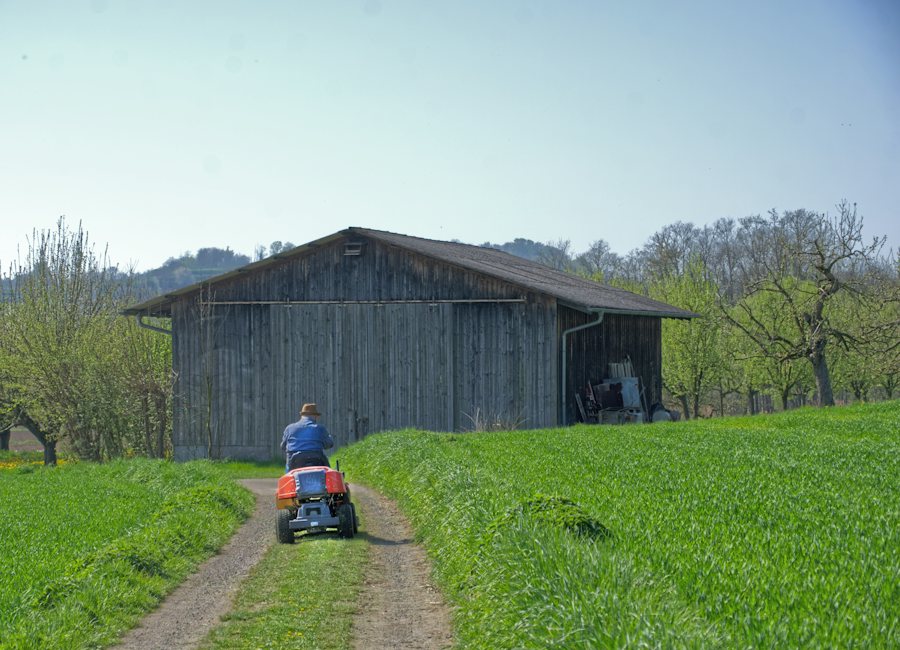
What Summer Does to a Rural Property and Why Your Equipment Matters
Posted 5/19/2026
Summer is when a rural place either starts looking sharp or starts getting away from you.
Grass grows like it’s getting paid by the inch. Brush creeps into fence lines. Gravel driveways washboard. Then you’re hauling stone, setting posts, moving feed, and wondering why “a quick Saturday project” turned into a three-week saga.
The right property maintenance equipment doesn’t just make the work easier. It keeps you on schedule, keeps your place safer, and keeps you from burning daylight fighting tools that aren’t up to the job.
The hidden cost of “good enough” tools
Extra passes mean more fuel and more hours.
Breakdowns mean stalled projects and missed windows.
Wrong-sized equipment means frustration, not progress.
Right-size beats overbuying every time
We sell Kubota, and we’re proud of it. Still, the best machine is the one that fits your land, your storage, and the work you actually do.
If you’re shopping for homestead equipment Ohio owners can count on, think in terms of jobs first, not just horsepower.
Project 1: Mowing, Pastures, and Keeping the Place Tidy
Mowing is the summer project that never ends. The trick is choosing the right cutter for your ground and your goals.
Finish mower vs rotary cutter (brush hog)
Finish mower: best for lawns and smooth fields where you want a clean cut.
Rotary cutter: best for rough pasture, weeds, and light saplings.
Zero-turn mower: best for tight spaces and speed around buildings.
If you’ve got a mix, plenty of folks run both a zero-turn for the “pretty” mowing and a compact tractor with a rotary cutter for the back forty.
What to look for in compact tractors for homesteaders
Comfort that matters: a good seat and easy controls keep you productive.
Stable footprint: important on rolling Ohio ground.
Quick-attach loader: because you’ll use it more than you think.
A quick mowing setup checklist
Proper PTO horsepower for your mower width.
Solid ROPS and seatbelt habits for slopes.
Sharp blades and correct tire pressure.
Project 2: Brush Cleanup, Trails, and Fenceline Clearing
Brush work is where time disappears. The right attachments bring it back.
Front loader basics: bucket, pallet forks, and grapple
Bucket: dirt, stone, mulch, cleanup, and all-purpose chores.
Pallet forks: logs, lumber, totes, seed, feed, and surprise deliveries.
Grapple: brush piles and storm debris without hand-stacking misery.
If you’ve never used pallet forks on a compact tractor, fair warning: you’ll wonder how you lived without them.
Rotary cutter tips for saplings and rough stuff
Match cutter rating to what you’re cutting.
Run at the right PTO speed, not “close enough.”
Keep a steady pace to avoid beating the machine.
Safety notes we repeat a lot
Wear the seatbelt when the ROPS is up.
Don’t lift loads high while traveling.
Stay alert for wire, stumps, and hidden junk.
Project 3: Gravel Driveway Maintenance That Doesn’t Wash Out
Driveways are simple until they’re not. The right tool keeps your stone where it belongs.
Box blade vs land plane vs rear blade
Box blade: cuts potholes and moves material, good for reshaping.
Land plane: great for smoothing and maintaining a crowned surface.
Rear blade: versatile for grading and snow, needs a steady hand.
A simple driveway “reset” routine
Loosen washboard and potholes with a box blade.
Pull gravel back from edges toward the center.
Finish with a land plane for a smooth surface.
Common mistakes that chew up gravel
Working it bone-dry and making dust instead of grade.
Dragging gravel into the grass and losing material.
Overcutting the base and creating soft spots.
Project 4: Fencing and Posts Without the Backache
Setting posts by hand builds character. A tractor helps you keep yours.
Post hole digger vs hydraulic auger
3-point post hole digger: cost-effective and common for occasional fencing.
Hydraulic auger: faster, steadier, and easier in tough ground.
Right bits: clay and rocky soil call for the right style.
Moving rolls, posts, and tools with forks
Move bundled posts without multiple trips.
Handle gates and braces with better control.
Keep fencing supplies organized on pallets.
Planning tips for straight lines and fewer do-overs
Mark corners and pull a tight line.
Call before you dig for utility locations.
Set braces first and keep tension honest.
Project 5: Hauling Materials, Firewood, and Feed
Hauling is where compact tractors for homesteaders really shine. It’s also where people get in trouble by skipping the boring basics.
Loader capacity and ballast basics
Know your loader’s rated lift at the pins and at height.
Use proper rear ballast for stability and traction.
Keep loads low and slow when traveling.
Trailer moves: what compact tractors can and can’t do
Good for moving trailers around a yard or barn area.
Not a substitute for a truck on public roads.
Best with proper hitching and flat ground.
Attachments that make hauling faster
Forks for pallets, logs, and lumber.
Grapple for brush and storm cleanup.
Carry-all platform for tools and supplies.
Project 6: Pasture Work and Food Plots
If you’re trying to keep pasture healthy or put in a food plot, timing matters. So does having equipment that isn’t working at the edge of its limits.
Light tillage options for small acreage
Rotary tiller: great for gardens and small plots with workable soil.
Disc harrow: better for field work and breaking residue.
Landscape rake: cleanup and seedbed prep on lighter work.
Seeding tools that fit compact tractors
Broadcast spreader: simple and effective for many mixes.
Seeder attachments: more consistent placement where needed.
Cultipacker: improves seed-to-soil contact.
Timing and soil prep pointers
Soil test before dumping money into seed.
Watch moisture and avoid working mud.
Plan mowing height for pasture recovery.
Choosing Tractors for Small Acreage: A No-Nonsense Fit Guide
Acreage matters, but it doesn’t tell the whole story. Five acres of flat lawn is one thing. Five acres of hills, woods, and gravel is another.
Acreage is only half the story
Terrain: slopes change stability requirements.
Soil: clay and wet ground change traction needs.
Task mix: mowing-only differs from loader-heavy work.
Horsepower, PTO, and hydraulic flow in plain English
Engine horsepower: overall power, not the whole answer.
PTO horsepower: what runs mowers, tillers, and cutters.
Hydraulic flow: what makes loaders and grapples feel quick.
Storage, transport, and the “will it fit?” reality check
Measure door openings and low-clearance areas.
Think about trailer capacity if you transport.
Plan implement storage so setups stay ready.
Attachments That Pay for Themselves by Mid-Summer
Most of the time, the tractor isn’t the bottleneck. The attachment is.
Top 6 compact tractor attachments for homesteaders
Rotary cutter for pasture and brush management.
Box blade for driveway and grading work.
Land plane for fast gravel maintenance passes.
Pallet forks for material handling efficiency.
Grapple for brush and storm debris.
Post hole digger for fencing and planting projects.
Buying used: what we check first
Wear points like cutting edges and gearboxes.
Hydraulic hoses, pins, and sloppy joints.
Compatibility with your tractor’s PTO and hitch.
Service, Parts, and Downtime: The Stuff Nobody Brags About (Until They Need It)
When your machine is down in July, you don’t need a pep talk. You need parts, a plan, and somebody who answers the phone.
At Unkefer Sales, we’re set up for the long haul: a full service shop, a parts department that knows what it’s looking at, and even in-house hydraulic hose building that can save you days on the wrong kind of week.
What to ask any dealer before you buy
How backed up is the service schedule right now?
Do you stock common filters, hoses, and wear parts?
What does on-site service and delivery look like?
Why local parts support matters in July
Fast filters and fluids keep maintenance on time.
Quick hose replacement prevents long downtime.
Clear communication helps you plan the week.
If You Want a Hand Picking the Right Setup
If you’re comparing tractors for small acreage or trying to build a smart attachment lineup, we’ll help you sort it out without the runaround.
What we’ll ask you (so you don’t buy twice)
What jobs you do most and what you avoid today.
How rough your ground is and where you store equipment.
Whether uptime or purchase price is the bigger pressure.
Where to find Unkefer Sales in Minerva, Ohio
We’re a family-run Kubota dealership based in Minerva, serving Northeast and Eastern Ohio with sales, parts, service, delivery, and on-site support. If you’re looking at equipment or solutions to make property work easier, save time, and get more done around your land, the team at Unkefer Sales is here to help. Contact us at sales@unkefersales.com, or join the Unkefer community here to get the latest insights, tips, and updates.
Ready to take the next step?
Contact our knowledgeable sales team to get more information on Kubota equipment.
More from Homesteader
Mid-Summer Property Projects to Stay Ahead Of
July on an Ohio homestead is when everything seems to need attention at the same time.
Read More HomesteaderWhat to Look for When Buying Homestead Land in Northeast Ohio
When folks start buying land in Ohio for homestead dreams, the first thing they fall for is usually the view.
Read More HomesteaderOhio Winter Homestead Prep: The Ultimate Tractor & Property Checklist
Northeast Ohio winter doesn’t “ease in.” One week you’re mowing, the next you’re chipping ice off a gate latch while the wind comes...
Read More